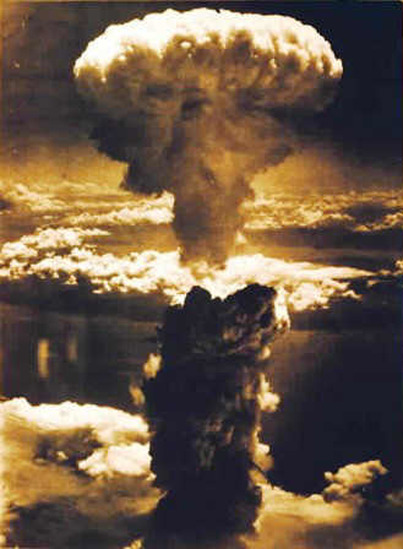
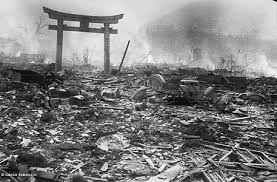
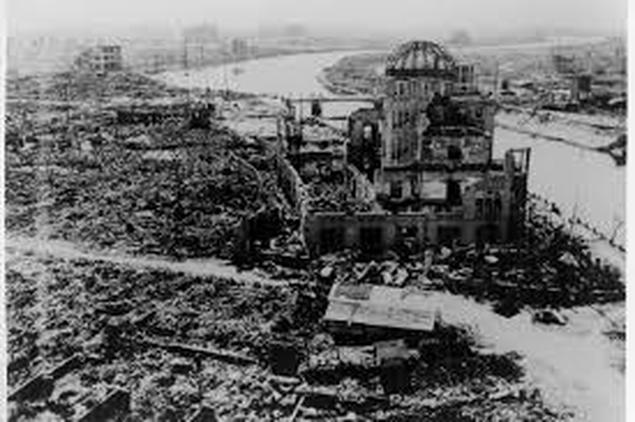
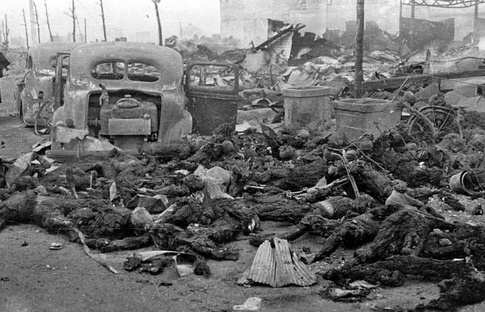
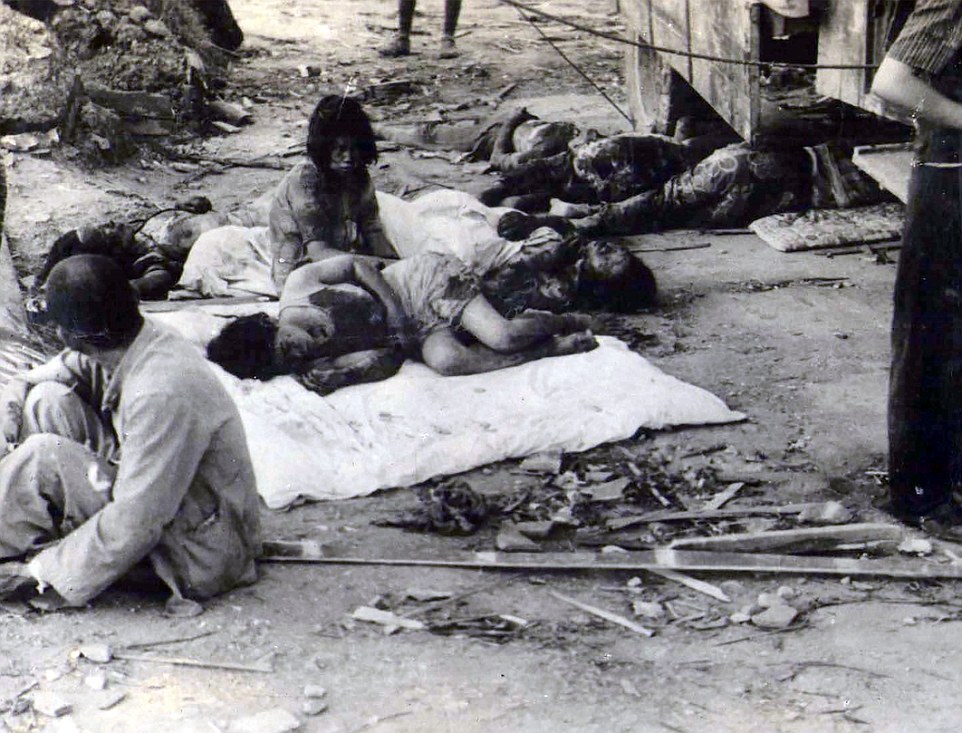
...In the span of a few years, some 60 million people would die. Men, women, children, no different than us. Shot, beaten, marched, bombed, jailed, starved, gassed to death. There are many sites around the world that chronicle this war, memorials that tell stories of courage and heroism, graves and empty camps that echo of unspeakable depravity.
Every great religion promises a pathway to love and peace and righteousness, and yet no religion has been spared from believers who have claimed their faith as a license to kill. Nations arise telling a story that binds people together in sacrifice and cooperation, allowing for remarkable feats. But those same stories have so often been used to oppress and dehumanize those who are different.
The irreducible worth of every person, the insistence that every life is precious, the radical and necessary notion that we are part of a single human family — that is the story that we all must tell. 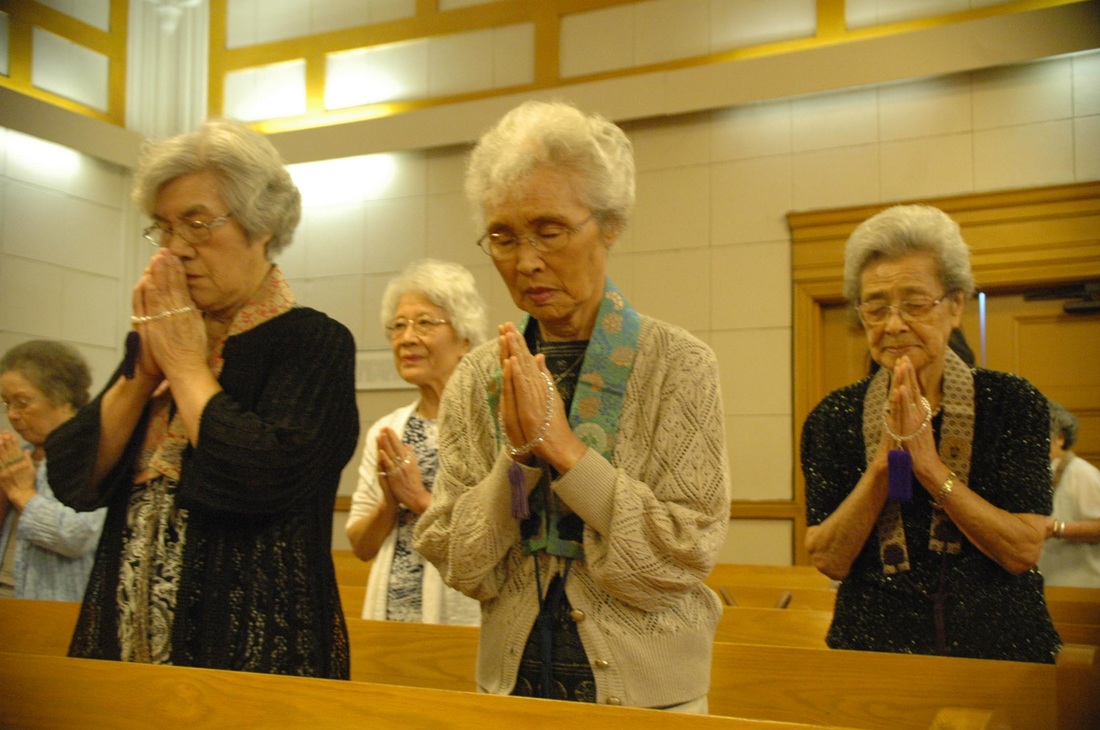
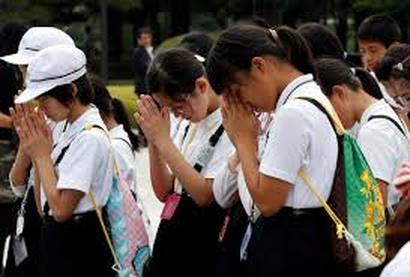
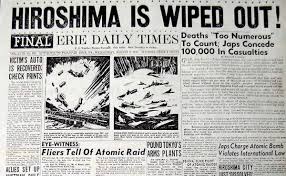
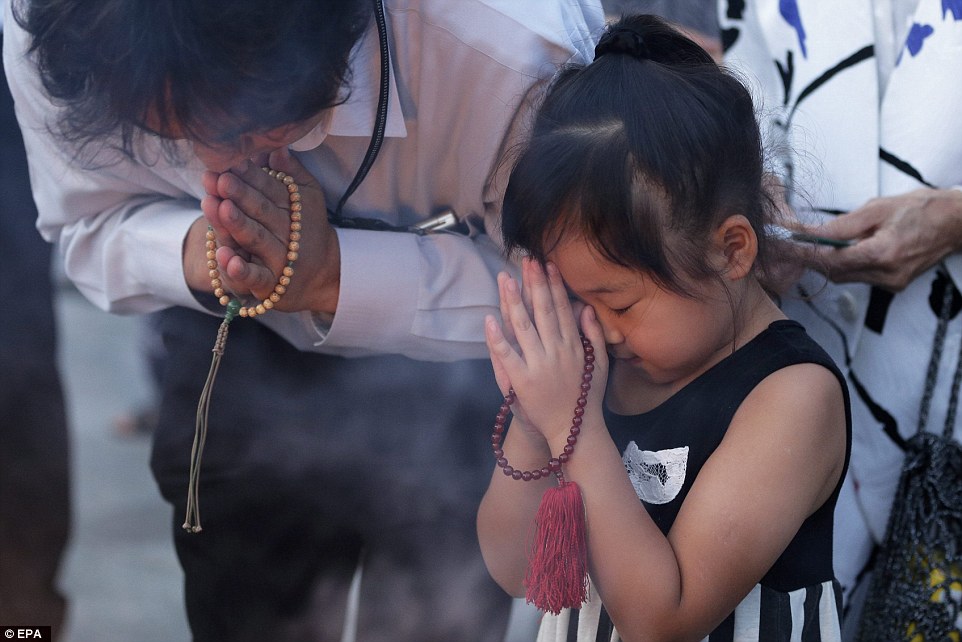
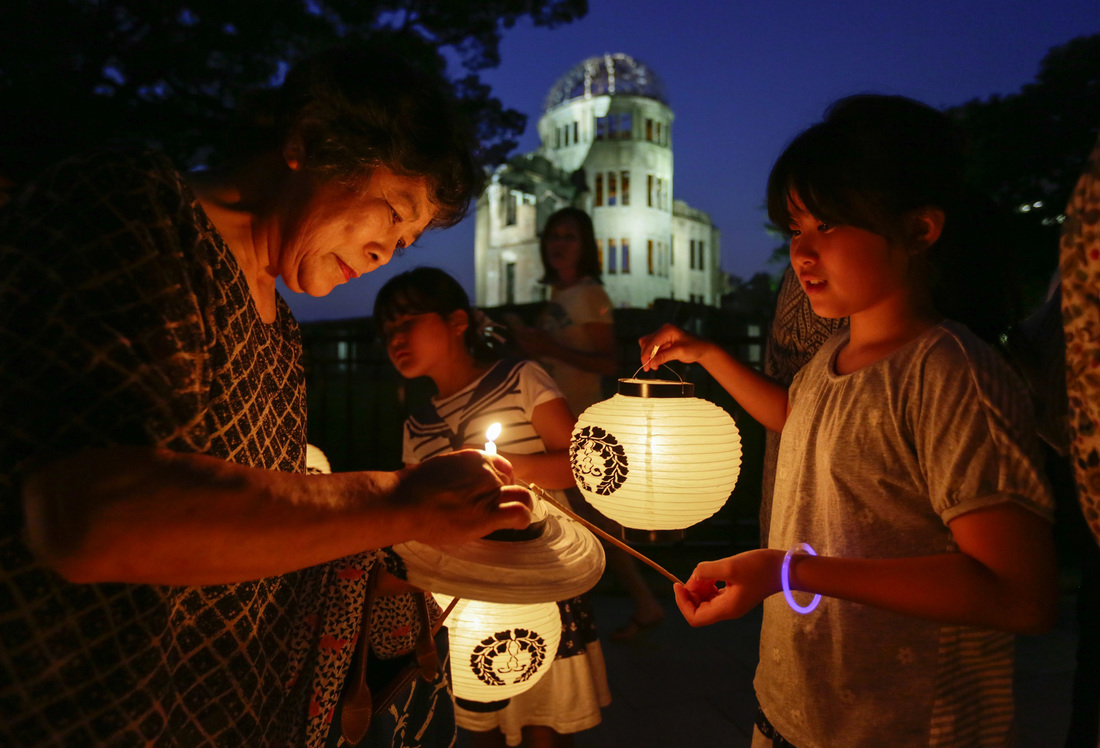
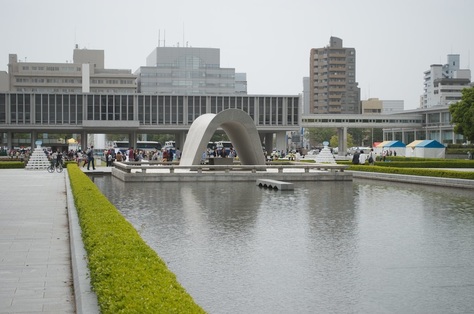
It is worth protecting, and then extending to every child. That is a future we can choose, a future in which Hiroshima and Nagasaki are known not as the dawn of atomic warfare but as the start of our own moral awakening. -President Barack Obama, May 27, 2016 at the Hiroshima Memorial, Hiroshima, Japan,  References:
1. "At Hiroshima Memorial, Obama Says Nuclear Arms Require ‘Moral Revolution’", Gardiner Harris, The New York Times, May 27, 2016 2. Text Of President Obama's Speech in Hiroshima, Japan, http://www.nytimes.com/2016/05/28/world/asia/text-of-president-obamas-speech-in-hiroshima-japan.html
2 Comments
Jean
6/8/2016 06:47:15 am
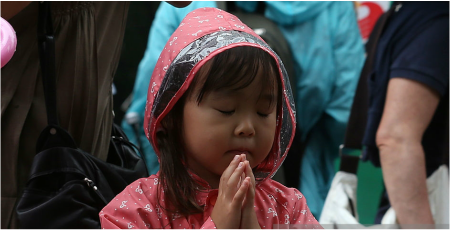
That was beautiful, Patti. Your pictures were perfect for the words. Thank you.
Patti
6/8/2016 10:52:08 am
Thank you, Jean. And thanks to our eloquent President for his beautiful, moving words. Leave a Reply. |

"Tropical Depression"
by Patti Liszkay Buy it on Amazon: https://www.amazon.com/dp/B0BTPN7NYY 

"Equal And Opposite Reactions"
by Patti Liszkay Buy it on Amazon: http://amzn.to/2xvcgRa or from The Book Loft of German Village, Columbus, Ohio 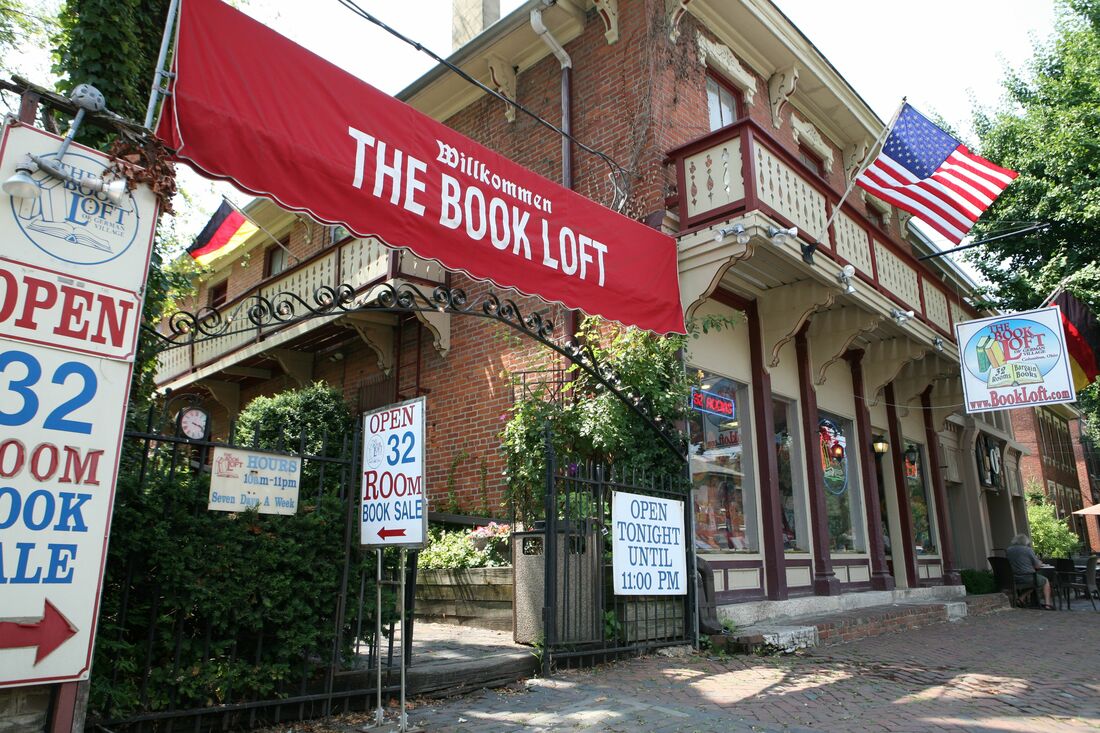
Or check it out at the Columbus Metropolitan Library
Archives
July 2024
I am a traveler just visiting this planet and reporting various and sundry observations,
hopefully of interest to my fellow travelers. Categories |



 RSS Feed